PROJECT EXPERIENCE
Turning complex industrial challenges into precision‑engineered realities — from concept through mass production.
Turning complex industrial challenges into precision‑engineered realities — from concept through mass production.
🇬🇧 United Kingdom · From Structural Optimization to Full‑Container Delivery
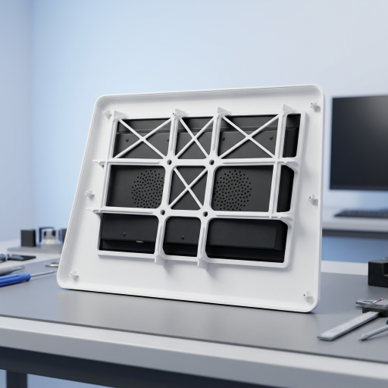
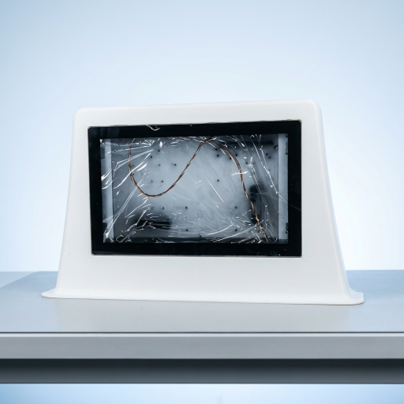
A prominent advertising agency from the UK approached us with a concept for a new interactive display device. However, their initial design had significant structural flaws regarding the whole assembly logic, which would have led to alignment issues between the electronic components and the plastic housing, as well as potential water‑ingress risks for outdoor use.

“The key to this project was catching the assembly issues in the ‘Digital Stage’. The value we brought wasn’t just in the molding—it was in the ‘Structural Debugging’. By using 3D printing to test the internal ribs and snap-fits before mold-making, we saved the client nearly $15,000 in potential mold modification costs. In industrial design, an ounce of prevention in the prototype stage is worth a pound of cure in production.”

🇬🇧 United Kingdom · From Physical Sample Reverse‑Engineering to High‑Precision Mass Production
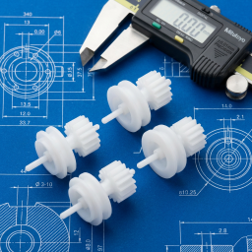
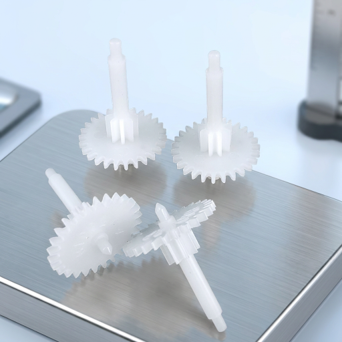
Digital Data Gap & Extreme Accuracy. The client provided only physical samples of an aging water meter gear assembly with no existing 3D CAD data. These gears are the “heart” of the meter; any deviation beyond 0.02mm would result in rotational friction or measurement inaccuracy. The challenge was to replicate the complex gear tooth geometry with absolute precision while accounting for the shrinkage rates of modern engineering plastics.
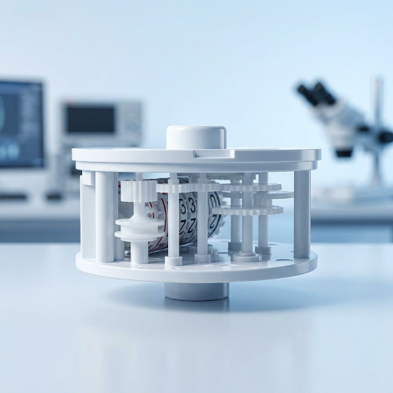
“The secret to reverse engineering isn’t just copying; it’s ‘re‑designing for the future.’ We didn’t just mirror the sample; we optimized the tooth profile to reduce wear‑and‑tear. In precision molding, we don’t just measure parts — we measure the trust of our clients through every 0.01mm.”
🇺🇸 United States · Eliminating Thermal Warpage in Large‑Scale, Thin‑Walled Structural Components
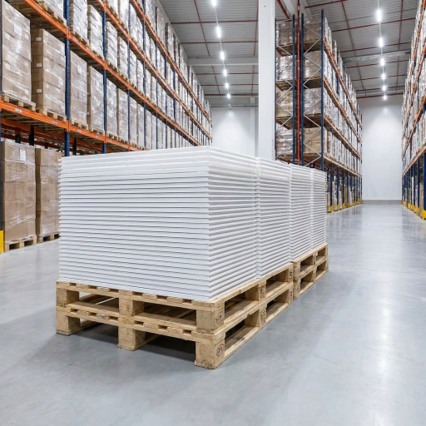
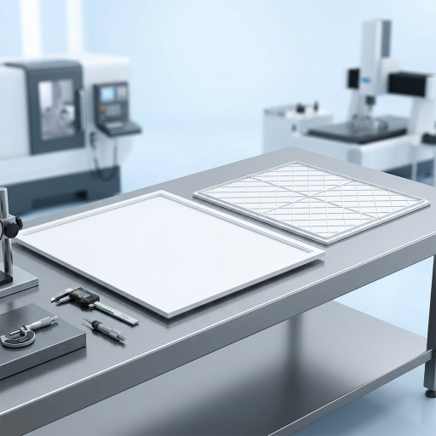
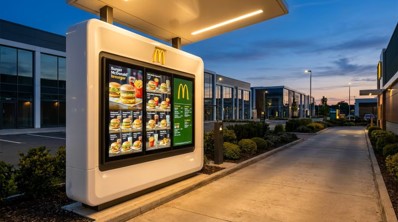
A US‑based infrastructure client required 1‑meter large‑scale plastic frames for McDonald’s outdoor menu boards. The critical challenge was maintaining absolute planarity across a massive, thin‑walled surface. Any warpage during the molding process would prevent the screen from fitting snugly, leading to water ingress and structural failure in outdoor environments. The primary engineering obstacle was the combination of the part’s massive surface area and its relatively thin cross‑section. In standard injection molding, such dimensions inevitably lead to severe thermal warpage, as uneven cooling causes internal residual stresses that “bow” or “twist” the part, making it impossible to mount securely on billboard structures.
Predictive Simulation & Experiential Parameter Tuning
“For a 1‑meter frame, maintaining a flat surface is a massive engineering feat — we managed the physics of cooling. By combining software prediction (Moldflow) with the ‘gut feel’ of our senior technicians on the machine, we achieved a level of flatness that many larger shops struggle with. We used our years of experience to perfect the McDonald’s project. It’s about controlling the plastic’s memory so it stays exactly where we want it.”